Education System Review: Pakistan vs India
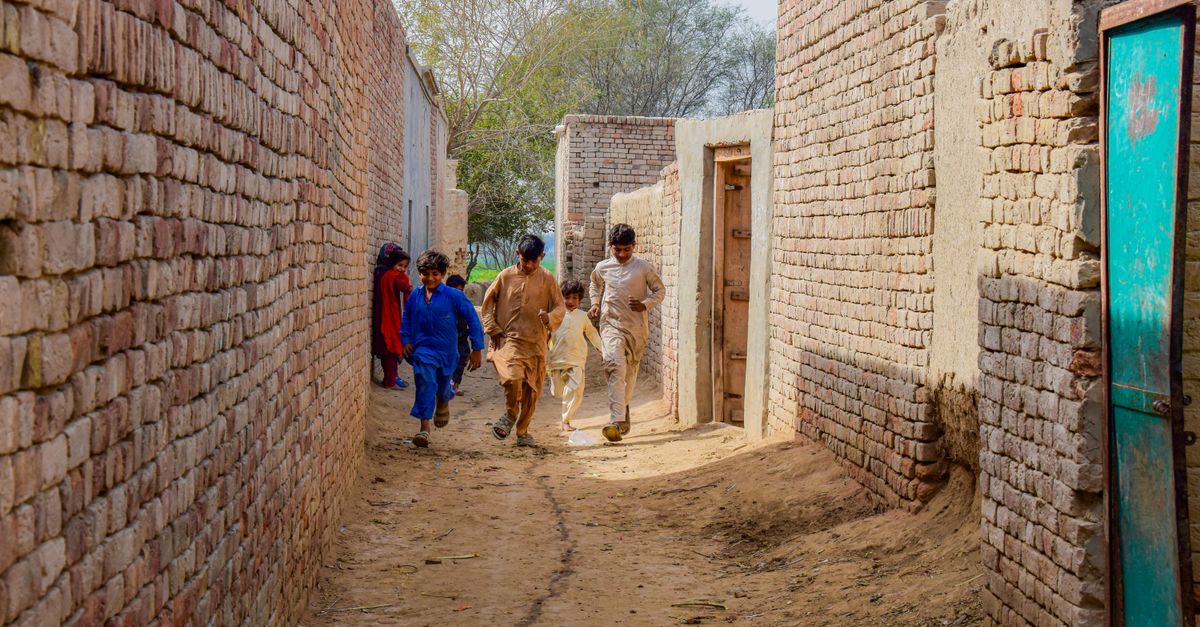
So, which country runs a stronger education system—Pakistan or India? The short answer: neither has a clear win, but they face very different challenges. India scores higher on global benchmarks like PISA-readiness and STEM output, while Pakistan shows pockets of resilience—especially in community-driven schooling and recent digital pushes. This isn’t about declaring a winner. It’s about understanding how each system works in practice: where it lifts students up, where it holds them back, and what families actually experience day to day. We’ve spoken with teachers in Lahore and Bangalore, reviewed provincial reports, and tracked enrollment trends over the last decade—not just headlines—to bring you a grounded Pakistan vs India education system review.
Access & Enrollment: Who Gets Into School—and Stays?
India has made serious headway since the Right to Education Act (2009): net enrollment ratio for primary school now hovers near 97%. But retention drops sharply after Grade 5—especially for girls in rural Bihar or tribal districts of Odisha. In Pakistan, gross enrollment at the primary level is around 72%, but regional gaps yawn wide: Punjab hits ~85%, while Balochistan dips below 45%. Dropout rates climb after Grade 8, often tied to household income, early marriage, or lack of nearby secondary schools. One quiet difference? India’s mid-day meal program pulls kids in—literally feeding attendance. Pakistan launched its own version in Sindh in 2022, but scale remains limited. When families weigh cost versus certainty, consistency matters more than policy paper promises.
Curriculum, Language & Teaching Reality
India’s curriculum varies by board—CBSE, state boards, ICSE—but leans toward conceptual framing, especially in science and math. English dominates elite schools; regional languages anchor most government schools. Teachers often juggle 40+ students per class, and training gaps persist outside urban hubs. In Pakistan, the national curriculum was overhauled in 2021 to integrate critical thinking and reduce rote load—but implementation is uneven. Urdu remains the medium in most public schools, though English-medium private schools grow fast (and widen equity gaps). A Karachi teacher told us: "We teach the new syllabus, but half our textbooks haven’t arrived. So we improvise." That improvisation—resourceful, exhausting, uncredited—is part of the daily fabric in both countries’ classrooms. This Pakistan vs India education system review wouldn’t be honest without naming it.
Exams, Credentials & What They Actually Mean
India’s board exams (Class 10 and 12) carry outsized weight—not just for college, but for family reputation. Coaching centers in Kota or Hyderabad run like academies, sometimes replacing school instruction. Meanwhile, Pakistan’s SSC and HSSC exams still rely heavily on memorization, though the Federal Board introduced objective-type questions in 2023. More telling: recognition. An Indian engineering degree from an AICTE-recognized institute opens doors globally; a Pakistani BSc from a HEPC-accredited university does too—but visa delays, accreditation visibility, and employer unfamiliarity create friction. Neither system fully bridges the gap between passing an exam and mastering a skill. Employers in Lahore and Pune alike complain graduates can’t write clearly or solve open-ended problems. That disconnect isn’t about intelligence—it’s about how learning is measured, rewarded, and reinforced.
Funding, Reform & Where Change Is Actually Happening
India spends ~3.1% of GDP on education; Pakistan spends ~1.7%. But raw numbers mislead. India’s spending is fragmented across 28 states, leading to wild variation in teacher salaries and infrastructure. Pakistan’s federal education budget grew 22% in 2023–24—but much goes to payroll, not labs or libraries. Real momentum is local: Punjab’s Ilm Ka Haq (Right to Knowledge) initiative trained 60,000 teachers digitally; Kerala’s Akshaya centres turned village halls into learning hubs. In Pakistan, the Punjab Education Foundation supports low-cost private schools serving 2.3 million children—many previously out of school. These aren’t silver bullets, but they’re scalable, human-centered fixes. A Pakistan vs India education system review must spotlight these quiet wins—not just the deficits.
Frequently asked questions
Is India’s education system really better than Pakistan’s?
On paper, yes—higher enrollment, more universities, stronger global rankings. But ‘better’ depends on context: a child in rural Tharparkar may get more consistent teaching in a Pakistani NGO-run school than in an under-resourced Indian government school 100km away. Quality isn’t uniform anywhere.
Do Pakistani students have worse job prospects because of their education system?
Not inherently—but mismatched skills, weak industry-academia links, and limited internships hold many back. Indian grads face similar issues, though larger tech and services sectors absorb more entry-level talent.
Are English-medium schools the solution in Pakistan?
They’re popular—but they risk deepening inequality. Students from Urdu-medium backgrounds often struggle without strong foundational literacy support. Bilingual pedagogy, not language switching alone, shows better long-term outcomes.
What’s one thing both systems urgently need?
Reliable, real-time data—not just enrollment stats, but classroom observations, teacher feedback, and student well-being metrics. Without that, reforms stay theoretical.