Cost of Living: Pakistan vs India
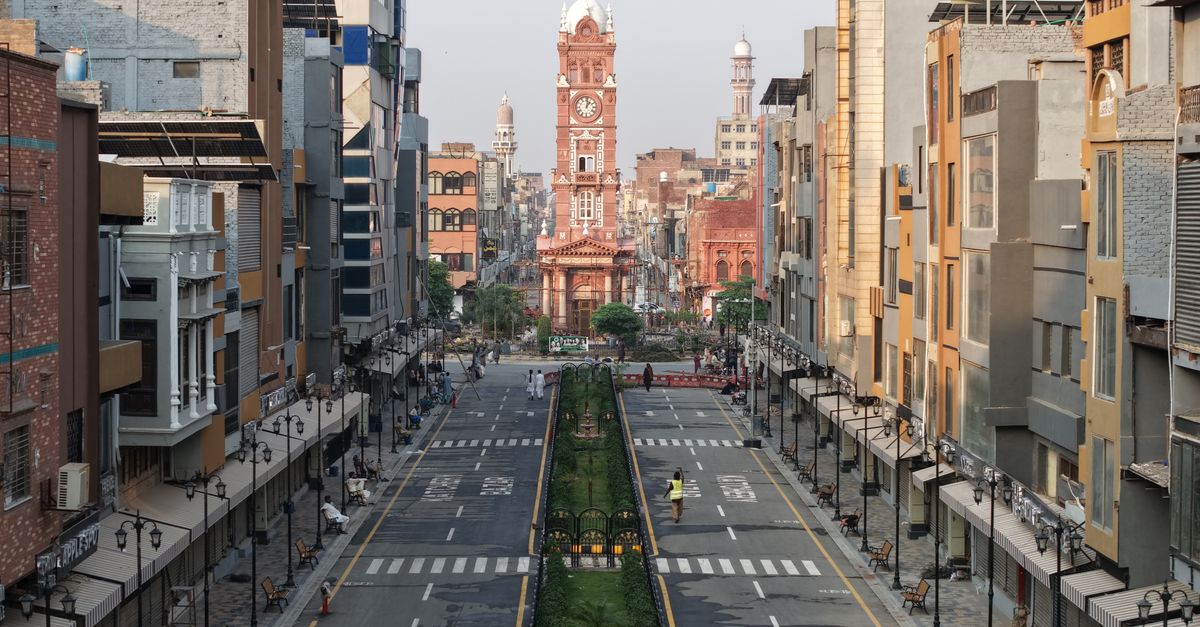
Pakistan is significantly more affordable than India for most everyday expenses in 2024 — especially housing, groceries, and local transport. A single person can live comfortably in Lahore or Islamabad on PKR 45,000–65,000/month (≈ $160–$230), while a similar lifestyle in Delhi or Bangalore typically starts at ₹25,000–₹40,000 (≈ $300–$480). This isn’t just about exchange rates; it’s about purchasing power, local wages, and how far your rupee — whether Pakistani or Indian — actually goes. We break down the real numbers behind pakistan vs india cost of living 2024, using verified local prices, not averages pulled from global databases.
Housing: Rent Differences That Surprise Most Expats
Rent is where the gap between Pakistan and India becomes clearest. In Islamabad’s DHA Phase V or Clifton (Karachi), a 1-bedroom apartment in a decent building runs PKR 35,000–55,000/month. In contrast, comparable areas in Mumbai’s Andheri East or Chennai’s Adyar start at ₹28,000–₹45,000 — and often include fewer amenities or older infrastructure. Even outside major cities, Lahore’s Johar Town rents (PKR 22,000–32,000) undercut Pune’s Kothrud (₹22,000–₹35,000) by 15–25% after adjusting for quality. One key reason? Property taxes and maintenance fees are lower in Pakistan, and long-term leases are more common — meaning fewer hidden turnover costs. When comparing pakistan vs india cost of living 2024, housing alone explains why many remote workers and retirees choose Lahore over Hyderabad or Jaipur.
Food & Groceries: Street Eats to Supermarket Bills
A cup of chai costs PKR 80–120 in Lahore — roughly ₹60–90 in Delhi, but that’s before factoring in portion size and frequency. A full meal at a mid-tier local restaurant? PKR 800–1,400 in Karachi vs ₹700–1,300 in Bangalore — again, with Pakistani portions often larger. At supermarkets, staples tell a quieter story: 1kg rice is PKR 220–280 (≈ $0.78–$1.00), while in India it’s ₹65–85 (≈ $0.78–$1.02) — nearly identical on paper, but Indian inflation has pushed lentils, cooking oil, and dairy up sharply since early 2024. Milk (1L) is PKR 240 vs ₹65–75 — yes, that’s right: Pakistani milk is pricier per litre, but local households consume less packaged dairy overall. Overall, weekly grocery spend for a couple is ~PKR 6,500 in Rawalpindi versus ~₹8,200 in Ahmedabad — making the pakistan vs india cost of living 2024 edge lean toward Pakistan for daily sustenance.
Transport, Utilities & Mobile Plans
Public transport remains deeply affordable in both countries — but structure differs. In Lahore, a 10km ride on the Metro Bus costs PKR 30; in Bengaluru, the Namma Metro charges ₹50 for the same distance. However, ride-hailing (Careem vs Uber) shows starker contrast: PKR 320 for a 15km trip in Islamabad vs ₹480–₹620 in Chandigarh. Utilities are another win for Pakistan: average monthly electricity (for AC + fridge + fan use) hovers around PKR 4,500–6,800 in summer, while Delhi households report ₹3,200–₹5,500 — but those Indian bills often exclude additional surcharges and variable tariffs that push real costs higher. Mobile data? A 10GB postpaid plan is PKR 1,299 (Jazz) vs ₹399 (Airtel) — yet the Pakistani plan includes unlimited WhatsApp/YouTube and works across all networks, whereas Indian plans throttle speeds after 2–3GB. This practical difference matters more than headline pricing — especially for freelancers and students relying on stable connectivity.
Healthcare, Education & Lifestyle Extras
Private outpatient care — say, a general physician visit plus basic blood tests — costs PKR 2,200–3,500 in Lahore. In Mumbai, the same service ranges from ₹2,800–₹4,500, and specialist consults jump to ₹1,500–₹3,000 just for the appointment. Schooling is where Pakistan pulls ahead decisively: reputable private schools in Karachi charge PKR 12,000–18,000/month per child; equivalent CBSE or ICSE schools in Pune ask ₹15,000–₹28,000 — and that’s before admission donations or annual development fees. Gym memberships? PKR 2,500–4,000 vs ₹1,800–₹3,200 — but Pakistani gyms tend to be newer, better equipped, and less crowded. Even cinema tickets (PKR 650 vs ₹180–₹350) reflect local spending habits more than raw cost: Indians go out more often, Pakistanis spend more per outing. The pakistan vs india cost of living 2024 picture here isn’t about cheapness — it’s about value alignment with local expectations.
Frequently asked questions
Is it cheaper to live in Pakistan than India in 2024?
Yes — consistently so for housing, groceries, local transport, and education. While some services like mobile data or branded goods appear cheaper in India on paper, real-world usage, quality, and hidden fees narrow that gap significantly.
How much does a family of four need monthly in Pakistan vs India?
In Lahore or Islamabad, PKR 120,000–180,000 covers rent, groceries, school fees, utilities, and modest leisure. In Delhi or Hyderabad, ₹200,000–₹320,000 is typical for the same standard — reflecting both higher base costs and added incidentals like security deposits and tuition hikes.
Does the exchange rate distort the pakistan vs india cost of living 2024 comparison?
It can — which is why we avoid USD conversions as the sole metric. Instead, we compare what local salaries buy: e.g., a Lahore teacher earning PKR 65,000 lives comparably to a Bangalore teacher on ₹42,000, even though the latter looks higher in dollars.
Are there cities in India cheaper than Pakistan overall?
A few smaller-tier Indian cities — like Bhopal, Indore, or Coimbatore — come close on rent and food, but utility reliability, commute times, and access to quality healthcare still tilt the balance toward Pakistan for most middle-income families evaluating the full pakistan vs india cost of living 2024 picture.